
Tree problems rarely begin with dramatic failure.
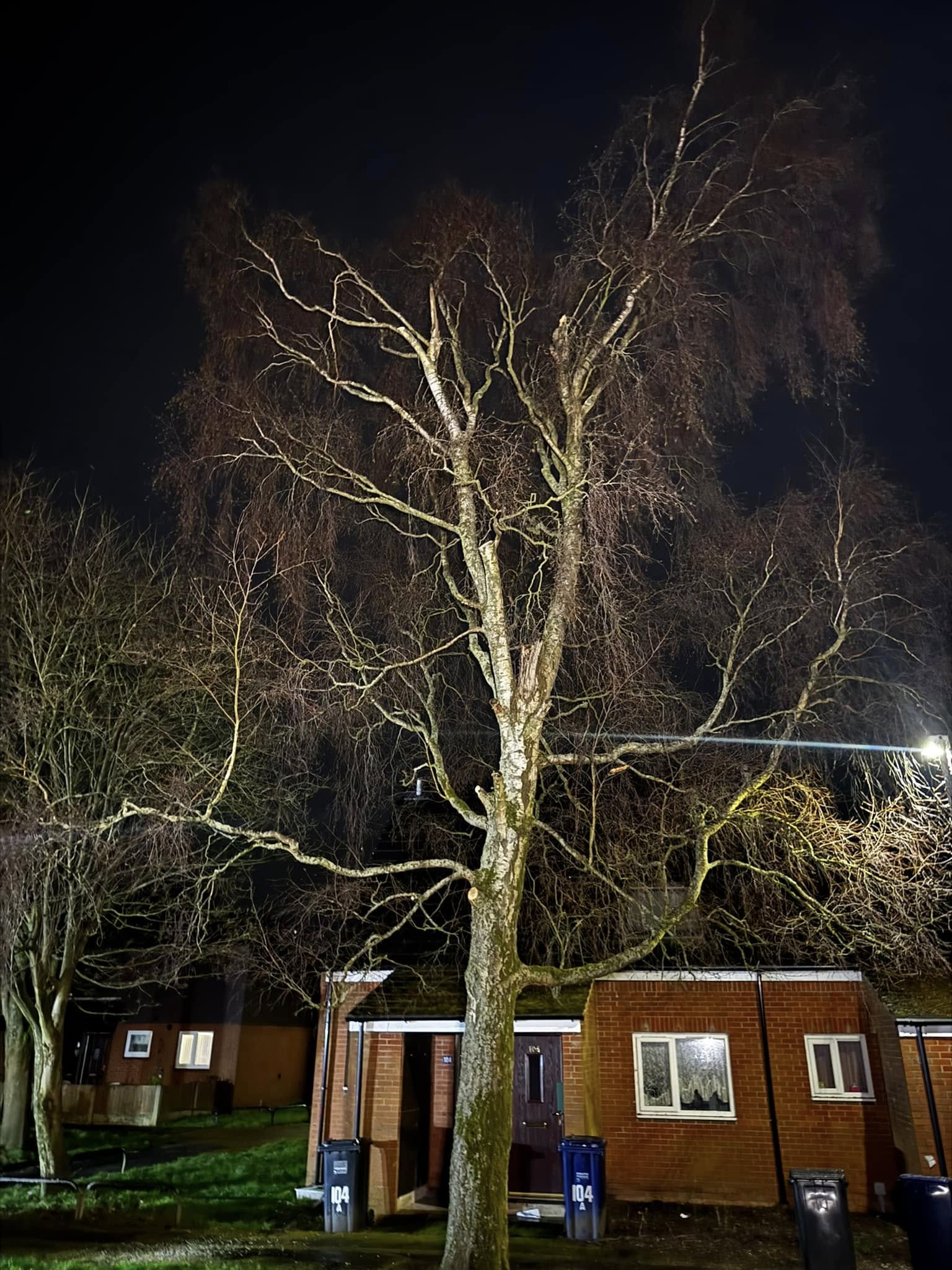
More often, they start with subtle changes. A branch that looks slightly lower than usual. A crack in the bark that was not there before. Leaves thinning in one section of the canopy.
These details are easy to dismiss. But trees do not repair structural weaknesses on their own. Small issues often develop into larger problems, particularly during heavy rain or strong winds.
Here are five clear signs that it may be time to involve a professional tree surgeon, and why early action can prevent unnecessary expense.
1. Are There Visible Cracks or Hanging Branches?
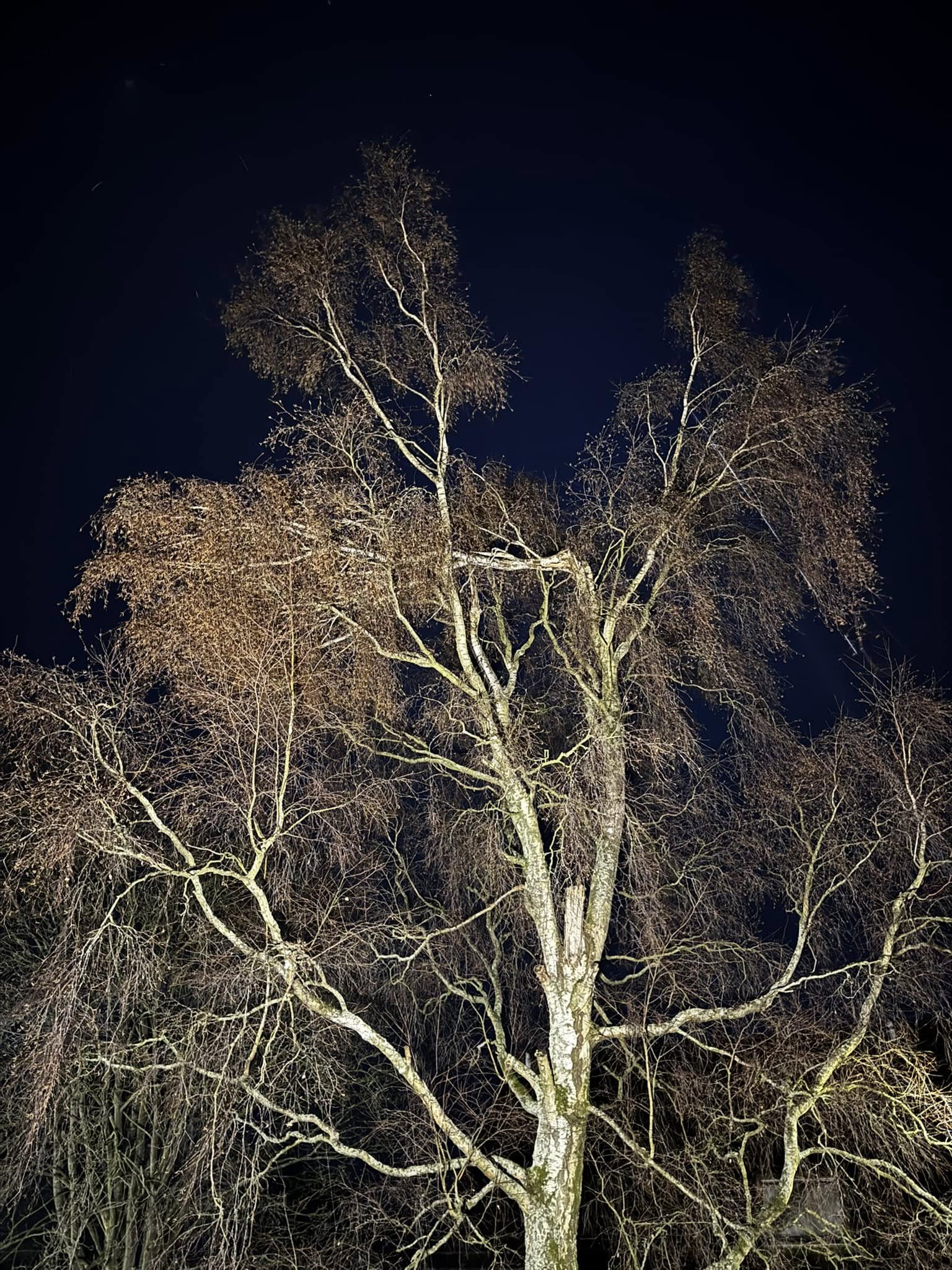
Structural damage is one of the most obvious warning signs.
Look for:
- Long cracks along the trunk
- Splits where branches meet the main stem
- Limbs hanging at unusual angles
- Fresh exposed wood after storms
Cracks can indicate internal stress. A hanging branch may already be partially detached and could fall without warning.
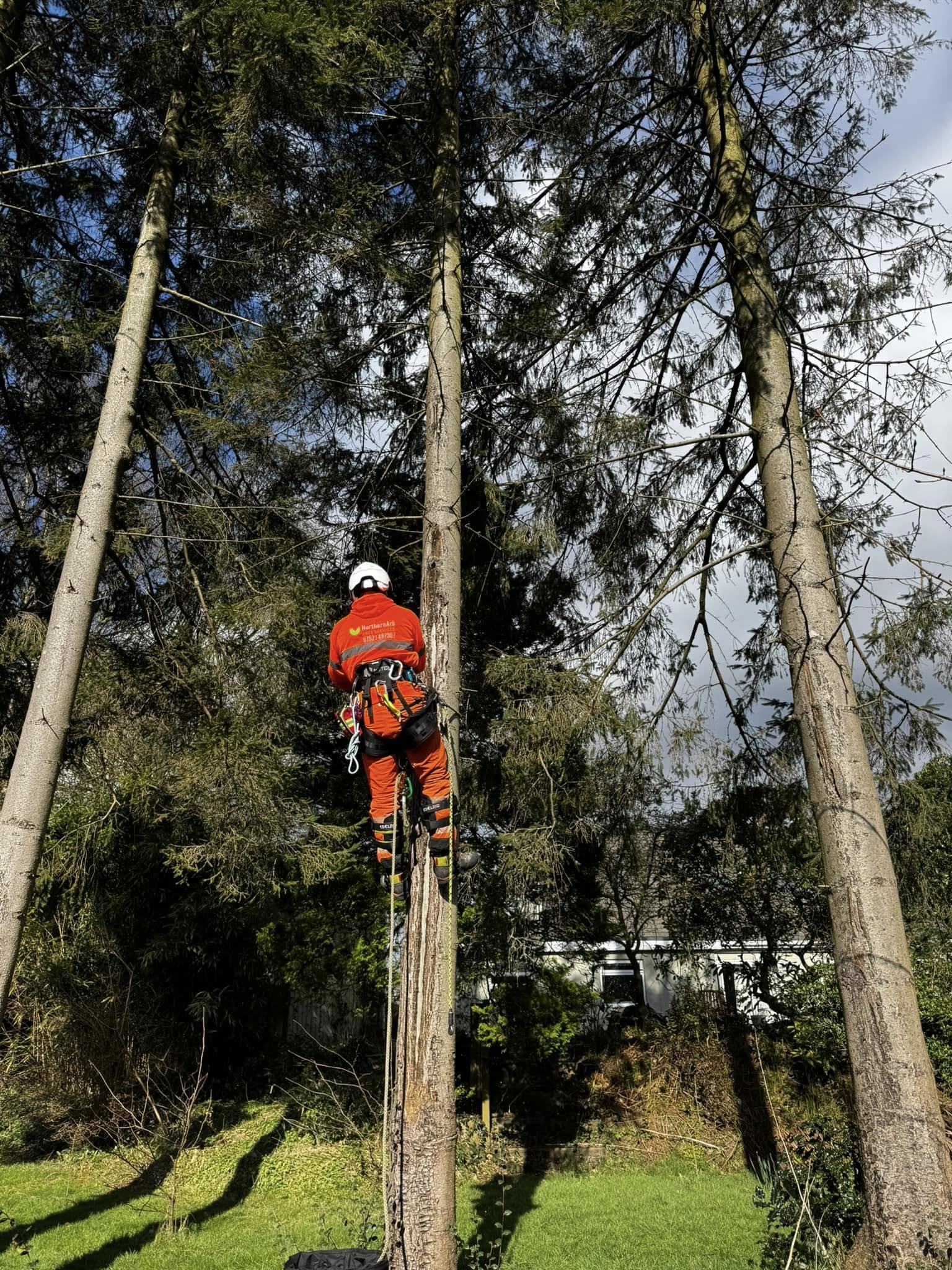
In many cases, careful tree pruning can remove the hazard while preserving the overall structure of the tree. However, larger fractures should always be assessed properly before any cutting is attempted.
If a damaged limb extends over a driveway, roof, or public space, the risk increases significantly.
2. Has the Tree Started Leaning More Than It Used To?
A slight lean is not always a problem. Many trees grow naturally at an angle.
A recent or increasing lean, however, can suggest root instability.
Warning signs include:
- Soil lifting on one side of the base
- Newly exposed roots
- Cracks forming in the surrounding ground
- A noticeable change after heavy winds
When roots shift, the entire structure becomes less stable. In severe cases, failure can occur suddenly during the next period of strong weather.
A professional assessment determines whether reduction work can relieve stress or whether tree removal is the safer option.
3. Are There Signs of Decay or Disease?
Decay is often hidden until it becomes advanced.
Common indicators include:
- Fungal growth at the base of the trunk
- Soft or crumbling bark
- Hollow sounds when the trunk is tapped
- Uneven canopy density
- Early leaf drop
The Forestry Commission advises early identification of tree disease to reduce long-term structural decline.
You can read more here:
How biosecurity can prevent the introduction and spread of tree pests and diseases
Internal decay weakens a tree from within. Even if the outside appears stable, compromised timber can fail under pressure.
A professional tree inspection can determine whether selective pruning will resolve the issue or whether further action is necessary.
4. Are Branches Interfering With Buildings or Utilities?
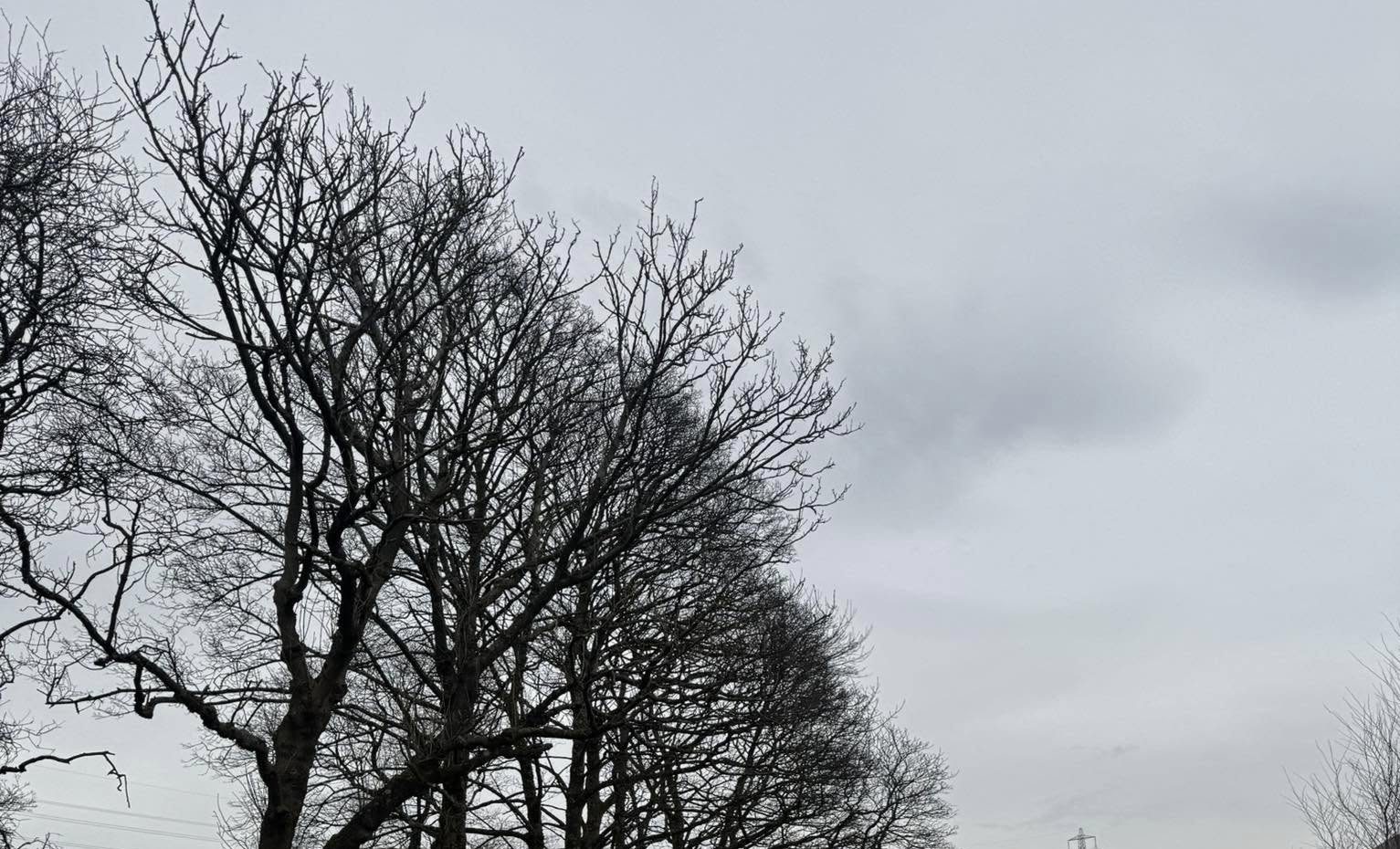
Tree growth is gradual, which makes encroachment easy to overlook.
Branches that once cleared your roofline may now:
- Brush against tiles
- Block gutters
- Obstruct windows
- Interfere with overhead cables
Proactive crown management prevents long-term damage and reduces wind resistance.
Proper structural reduction preserves the natural shape of the tree while maintaining safety.
5. Has the Tree Been Professionally Assessed in the Last Few Years?
Many property owners wait until visible damage appears before arranging an inspection.
Preventative maintenance is especially important for:
- Mature trees close to buildings
- Trees exposed to prevailing winds
- Rental or commercial properties
- Properties in conservation areas
A routine tree inspection can identify developing weaknesses before they become serious.
Early maintenance is almost always more cost-effective than emergency intervention.
Is Removal Always Necessary?
No.
Responsible arboriculture focuses on preservation wherever possible.
Many concerns can be resolved through:
- Crown thinning
• Crown reduction
• Dead wood removal
• Structural balancing
Full tree removal becomes necessary only when structural integrity is beyond safe retention or when disease is irreversible.
A qualified professional will always assess whether the tree can be safely preserved before recommending removal.
Why Local Experience Still Matters
Environmental conditions influence tree health.
In areas such as Lancashire, prolonged rainfall and strong seasonal winds increase structural stress. Soil type, drainage patterns, and local planning regulations also play a role.
If you are based locally and concerned about a tree on your property, arranging an assessment with an experienced tree surgeon ensures that work is compliant, proportionate, and safe.
Prevention Costs Less Than Repair
Trees add privacy, shade, biodiversity, and long-term value to a property. But like any living structure, they require maintenance.
If you have noticed cracks, leaning, decay, overgrowth, or storm damage, early action reduces both cost and risk.
An experienced arborist can assess the situation objectively and recommend practical next steps, whether that involves routine pruning or more significant intervention.
For advice or to arrange a site visit: